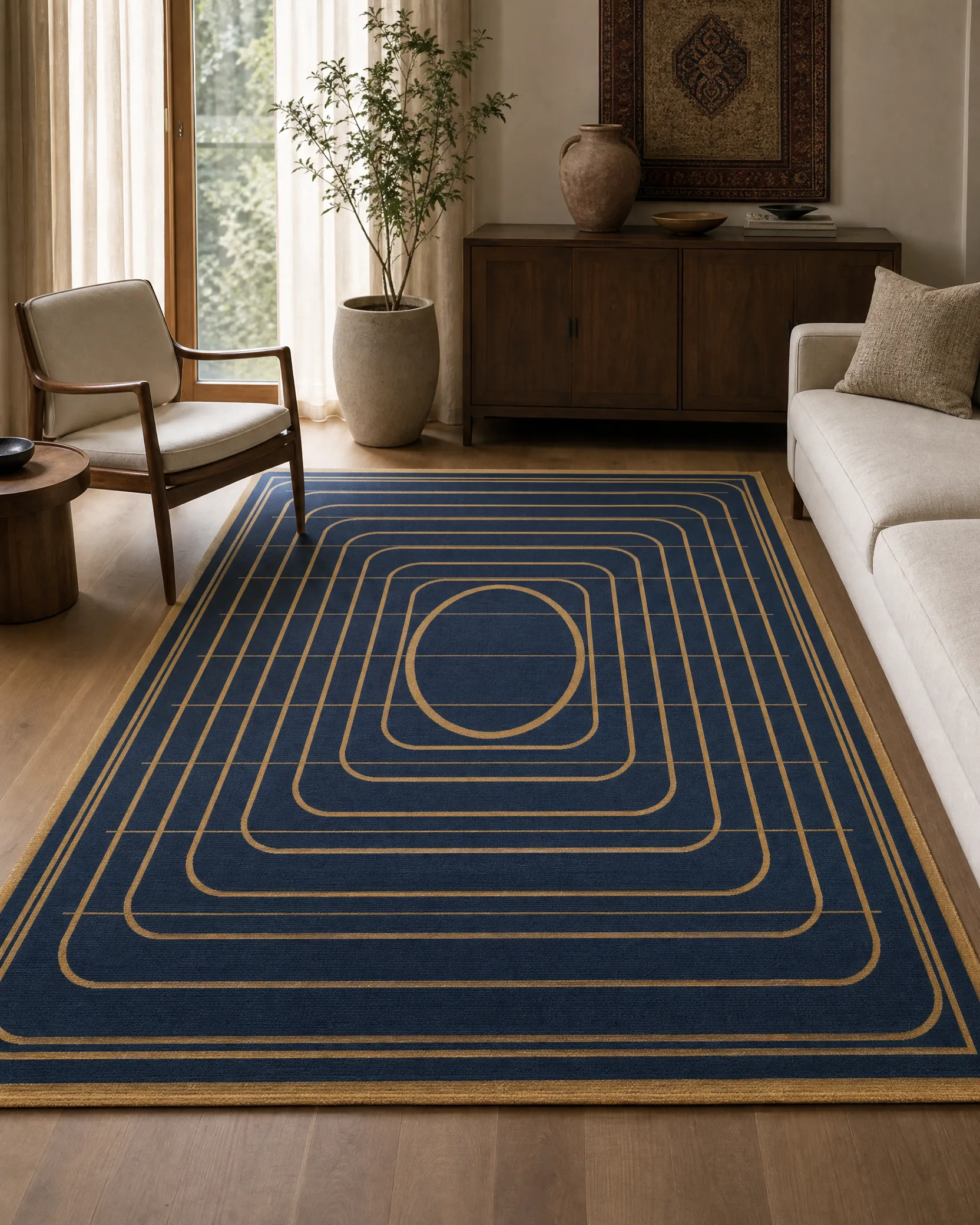
Are Iranian carpets and Persian rugs the same thing?
“Persian rug” is commonly used internationally for rugs made in Iran. The name alone, however, does not prove the origin or quality of a particular piece; origin should be confirmed through the product record and available documentation.
What should you look at?
Consider region, knotting and weaving technique, materials such as wool or silk, design language, colour, size, condition and age together.
- Signs of hand construction on the reverse and at the fringes
- Consistency between material, technique and the product record
- The relationship between design and regional tradition
- Clear notes on condition, restoration and documentation
How should authenticity be discussed?
“Authentic” is not a substitute for a certificate or independent appraisal. A responsible assessment requires examining the piece and reviewing provenance or product documents when they exist.
Frequently asked questions
How can I check whether a rug is handmade?
The reverse, knot structure, fringe attachment and edge finishing can offer clues; a definitive assessment requires physical inspection.
Does knot density prove quality?
No. Density can affect the level of detail, but it should be considered alongside material, design, condition and workmanship.
Is a rug unsuitable if it has no documentation?
Not automatically. It means that claims about origin, age or history need to be confirmed separately.
Looking for more information about a piece?
Explore the collection or ask us on WhatsApp with the product name, SKU and size.